How to Start a Food Business From Home in 2026
Most people who want a food business think they need a storefront or a truck. You don't. The lowest-cost way in is your own kitchen.
Here's what it actually takes to start from home in 2026, and where people get stuck.
What does your state allow?
The first question isn't your recipe. It's your state’s cottage food law, the rule that says what you can sell, made at home, without a commercial kitchen.
Most states allow shelf-stable foods like baked goods, jams, and granola. Some allow more, some allow less, and fried or filled foods are where the rules get picky. Check your state's cottage food list before you fall in love with a product.
If your product isn't allowed from home, you're not stuck. You can rent time in a shared commissary kitchen, or partner with a licensed food business that already has the space.
How small should you start?
A storefront means a lease, a build-out, and staff. A truck means six figures and a lot of moving parts. From home, your startup looks more like a serious side project than a second mortgage.
You need a product people want, the basic equipment to make it, and a plan to sell it. That's the list.
What product should you pick?
Cookies and cupcakes are everywhere. To stand out, you want something people seek out and can't easily get near them.
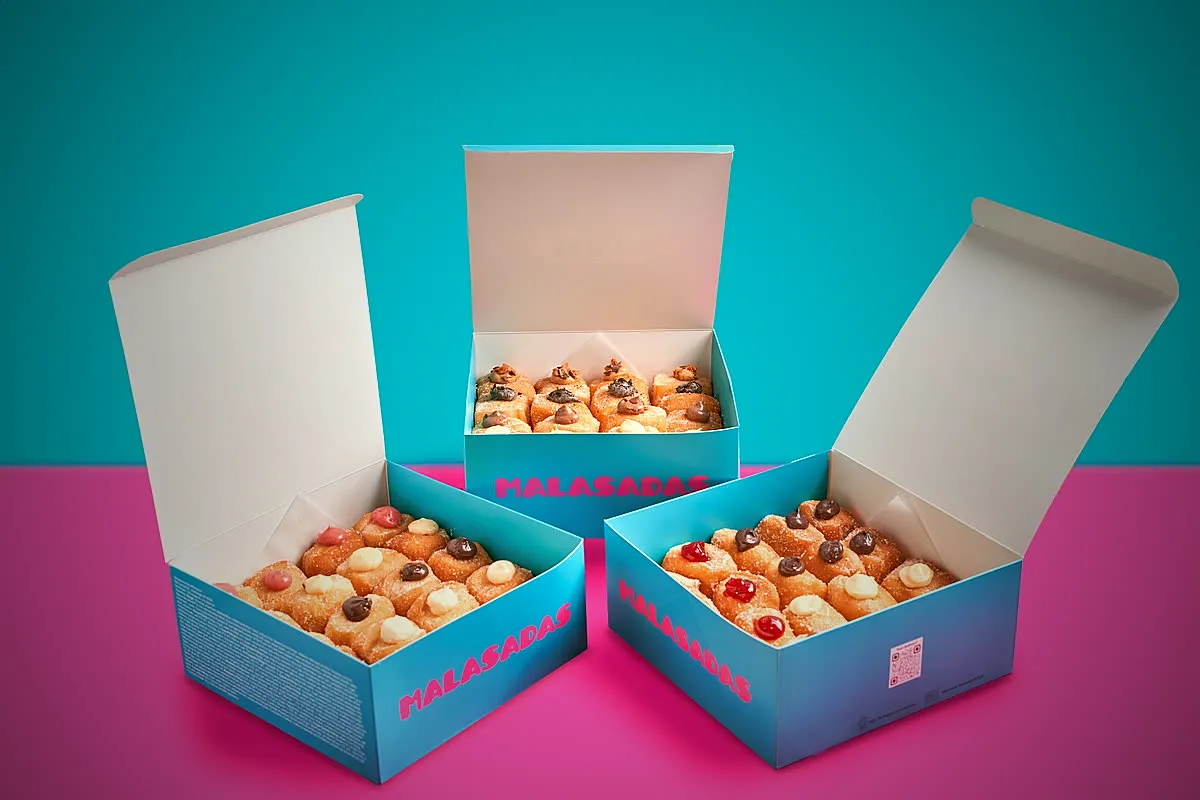
That's the idea behind what we do. One product: the malasada, Hawaii's donut. Soft, holeless, rolled in sugar, filled fresh. Most towns have never had them, so they sell themselves at events, markets, and fundraisers.
How do you learn the selling, not just the making?
This is where most home food businesses stall. They can make the food. They never build the selling side.
You want more than one way to move product: events and markets, fundraisers, wholesale to local shops, pickup and delivery orders, and repeat routes. Mix those, and you stop depending on one good weekend.
Do it as a system, not a guess
You can piece all of this together yourself over a couple of years. Or you can start from a system that's already been run and proven.
That's what Wiki-Licious is. You get the product, the recipe, the equipment list, and the training on how to make it and how to sell it. You run it from home, on your terms.
Your next step
Territories are one per area. Tell us your city and we'll check whether yours is still open, then walk you through how it works on a quick call.
See if your area is still open for a Hawaiian malasada franchise
Common questions
Do I need a business license?
Most home food sellers register their business and follow their state's cottage food rules, which can include labeling and a short food-safety course. We point you to what your state asks for.
Can I start part-time?
Yes. A lot of people start around a job or the events they already do, then grow from there.
What if my state doesn't allow my product from home?
You use a shared commissary kitchen or partner with a licensed food business. It's a common path, and it works.
This is not an offer to sell a franchise. A franchise is offered only through our Franchise Disclosure Document.
