Can You Legally Sell Donuts From Home? (2026 Rules)
Sometimes, yes. It depends on your state and on the exact donut. Cottage food laws let you sell certain homemade foods without a commercial kitchen, but every state writes its own list of what's allowed. Plain, sugar-rolled donuts have a decent shot in a lot of places. Cream-filled and custard-filled ones are the catch, because a perishable filling usually needs refrigeration, and that often pushes a product off the cottage food list. So the honest answer is this: check your state's list before you fry a single batch.
That sounds like a headache. It doesn't have to be. Plenty of people run a home-based malasada franchise and never touch a storefront, because the model is built around what cottage food law actually allows. Let's walk through how the rules work, and what to do when your product doesn't fit.
What cottage food law is, in plain English
Cottage food law is the rule that lets you make certain foods in your home kitchen and sell them to the public, without renting a commercial space. It exists in some form in nearly every state. The catch is that "certain foods" means a specific list, and that list is different everywhere.
The line almost every state draws is about safety. Foods that are shelf-stable, meaning they don't need refrigeration to stay safe, are usually allowed. Foods that can spoil at room temperature usually aren't. You'll see this written as "non-potentially-hazardous" or "does not require time or temperature control." Same idea, fancier words.
Where donuts fall, and why frying and filling matter
Two things decide whether your donut fits under cottage food law.
Is it fried?
Some cottage food programs are written around baked goods and don't say much about fried ones. Others allow fried items with no problem. A plain fried donut, once it's cooled and rolled in sugar, is shelf-stable a lot like a baked good. But because "baked" and "fried" aren't always spelled out the same way, this is the first thing to confirm on your state's list.
Is it filled?
This is the big one. A cream, custard, or whipped filling is perishable. It needs to stay cold, and anything that needs to stay cold usually falls off the cottage food list. A plain or sugar-rolled donut is far more likely to qualify than a cream-filled one. If you want to sell filled donuts, that's exactly the point where you check the rules instead of guessing.
So the safe order of operations is simple. Pull up your state's cottage food list first. It's usually posted by the state department of agriculture or health. Find donuts, fried goods, or baked goods on it. Read what it says about fillings. Then decide what you'll sell.
What to do when a home kitchen isn't enough
Say your state's list won't cover the product you want to sell, or your local rules are strict. You still have two clean, legal routes:
Rent a commissary kitchen. A commissary is a licensed commercial kitchen you rent by the hour or the month. You make your product there, which takes it out of cottage food territory and into a fully licensed setup. Lots of caterers and food trucks share these.
Partner with a licensed food business. A restaurant, bakery, or church kitchen that already holds a license may let you produce there under an arrangement. You get a compliant kitchen without building one.
Either way, no storefront and no food truck required. "My state won't let me do this from home" is a fork in the road, not a dead end.
Where the malasada fits
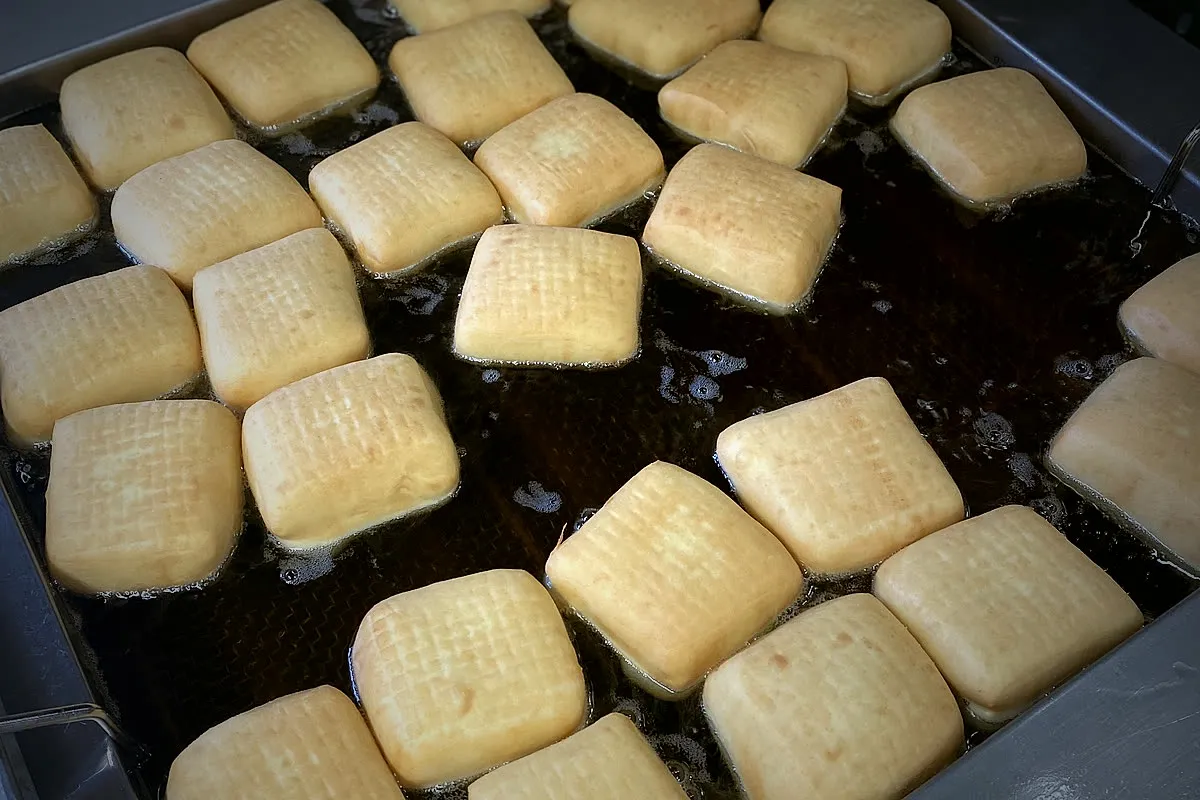
The malasada, Hawaii's fried donut, is a good example of all this in action. Rolled in sugar and sold fresh, it's a straightforward product to build a home business around. Wiki-Licious franchisees run it from home where cottage food law allows, and use a commissary or a licensed partner where it doesn't. The training walks you through the setup for your own state instead of leaving you to read statutes alone.
One caution worth repeating: laws change, and they're genuinely different state to state. Nothing here is legal advice. Confirm your own state's cottage food list, and if you're unsure, a quick call to your state or county health department settles it fast. If you want the bigger picture first, here's starting a home food business from the ground up.
This is not an offer to sell a franchise. A franchise is offered only through our Franchise Disclosure Document.
