The Food Truck Alternative: A Food Business You Run From Home
You want your own food business. Then you price out a food truck, and the whole thing stalls right there.
A truck can run into six figures once you add the build-out, the equipment, the permits, and a commissary to park it in. That's before you sell a single thing.
There's a lower-cost way in. You start from your own kitchen. It's how Wiki-Licious franchisees run their malasada business.
What does a food truck really cost you?
It's never just the truck.
What it takes | Food truck | From home |
|---|---|---|
To get started | The vehicle and build-out: tens of thousands, often six figures | A home or shared kitchen and your equipment |
Every month | Fuel, repairs, parking, insurance, and the inspections that ride along with all of it | Ingredients, packaging, and your kitchen |
Where you sell | Wherever you can park, when the weather holds | Markets, events, fundraisers, wholesale, pickup, delivery |
Day one | Long days driving to spots, usually with help | Your schedule, your terms, just you |
For a lot of people, that's the wall. They quit before they ever start.
The from-home version
Skip the truck. You make your product fresh in a home or shared kitchen and sell it the ways that fit your life. Lower overhead, and a lot less on the line.
No storefront. No truck. No crew to manage on day one. Your schedule, your terms.
Can you even sell food from home?
Depends on your state and what you're selling. Plenty of states let you sell certain foods from a home kitchen under cottage food law. Some limit fried or filled foods.
Where a home kitchen isn't allowed, you've got two clean options: rent time in a shared commissary kitchen, or partner with a licensed food business that's already set up. Either way, you don't have to build or buy a kitchen to get going.
What you actually sell: the malasada
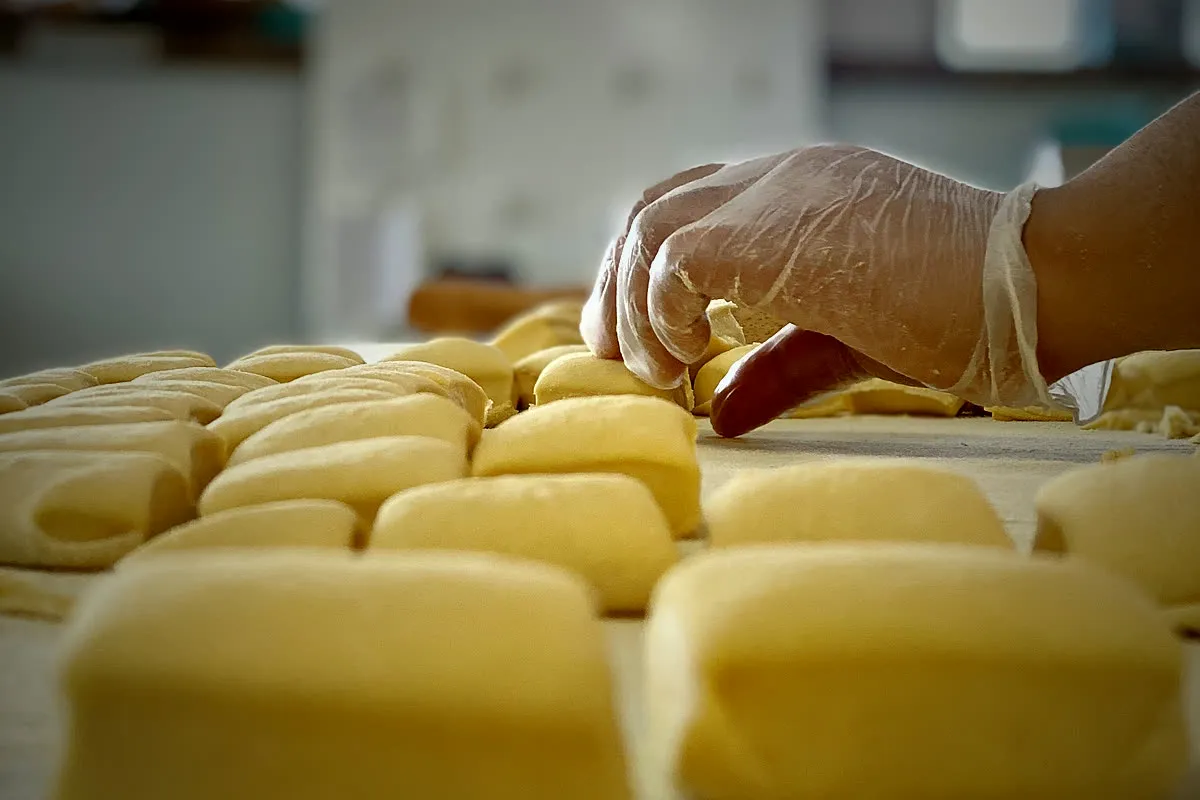
One product. The malasada, Hawaii's donut. Soft, holeless, rolled in sugar, filled fresh with cream, fruit, or chocolate.
People line up for these at events because most towns have never seen them. Once you've got the system down, you can make 150 to 200 in about an hour and a half.
You learn two things: how to make them, and how to sell them. Events, markets, fundraisers, wholesale, pickup orders, repeat routes.
Who is this for?
You've been eyeing a food truck, and the price tag stopped you cold.
You sell at events now, and you're tired of the season and the weather deciding your income.
You and your family want to build something together, on your own terms.
How do you start?
Want the full walkthrough first? Read how to start a food business from home.
Territories are one per area, so step one is checking whether yours is still open.
Tell us your city. If it's open, we'll walk you through exactly how it works on a relaxed 20-minute call. No pressure, no obligation.
See if your area is still open for a malasada franchise you run from home
Common questions
Is this cheaper than a food truck?
Yes. You skip the truck, the build-out, and the parking spot. It's low-overhead and home-based, and we go over the real startup numbers with you on the call.
Do I need a commercial kitchen?
No storefront and no food truck needed. You make the malasadas fresh in a home or shared kitchen. What you can do from your own home depends on your state's cottage food rules. Where a home kitchen isn't allowed, you use a commissary or partner with a licensed food business.
What am I actually selling?
One core product: the malasada, Hawaii's donut. You make it fresh from our system and sell it locally.
This is not an offer to sell a franchise. A franchise is offered only through our Franchise Disclosure Document.
